Art and Craft Pedagogy
Art and Craft Pedagogy is a two-year program for you who want to work with people through creativity. An art and craft educator creates contexts where art and craft become a way of communicating, expressing oneself and building relationships – in schools, cultural activities, healthcare, social work and other parts of society.
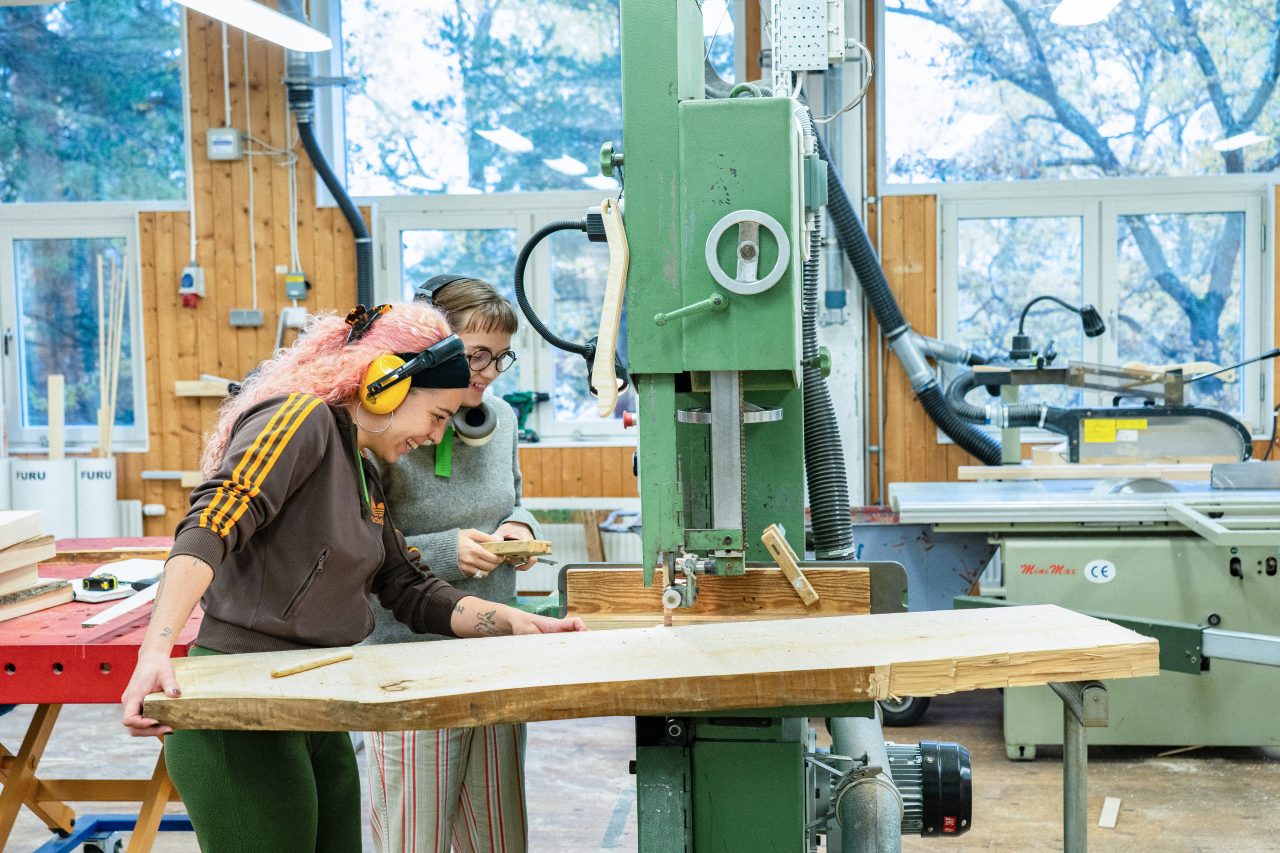
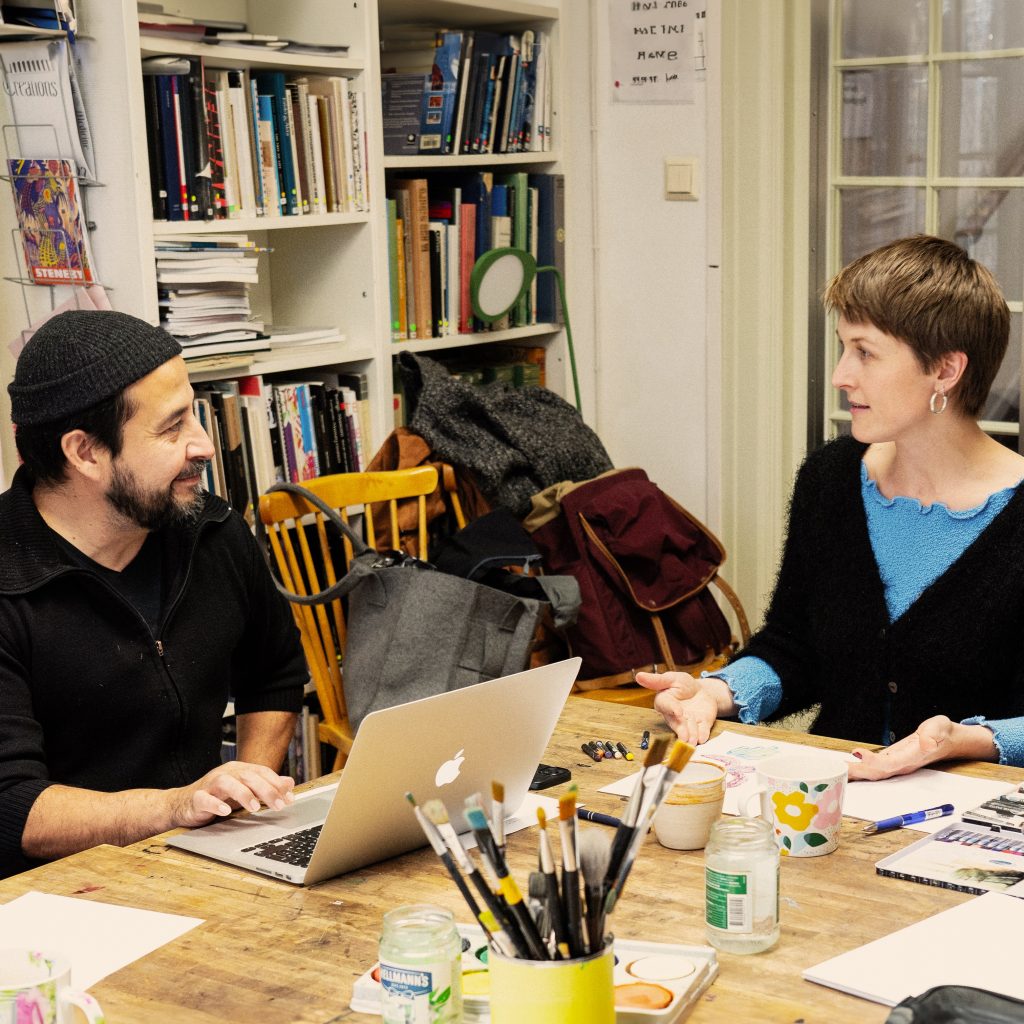
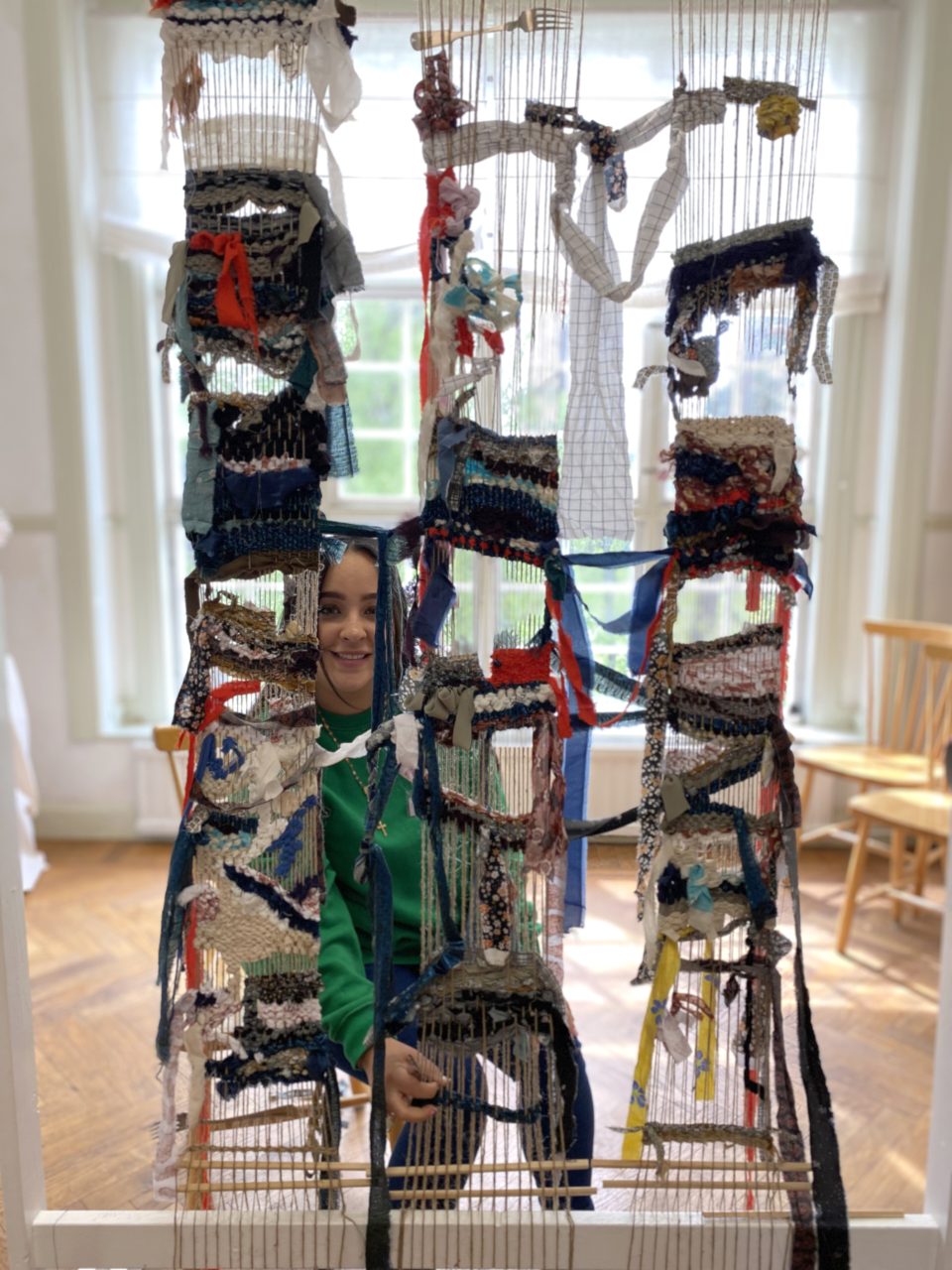
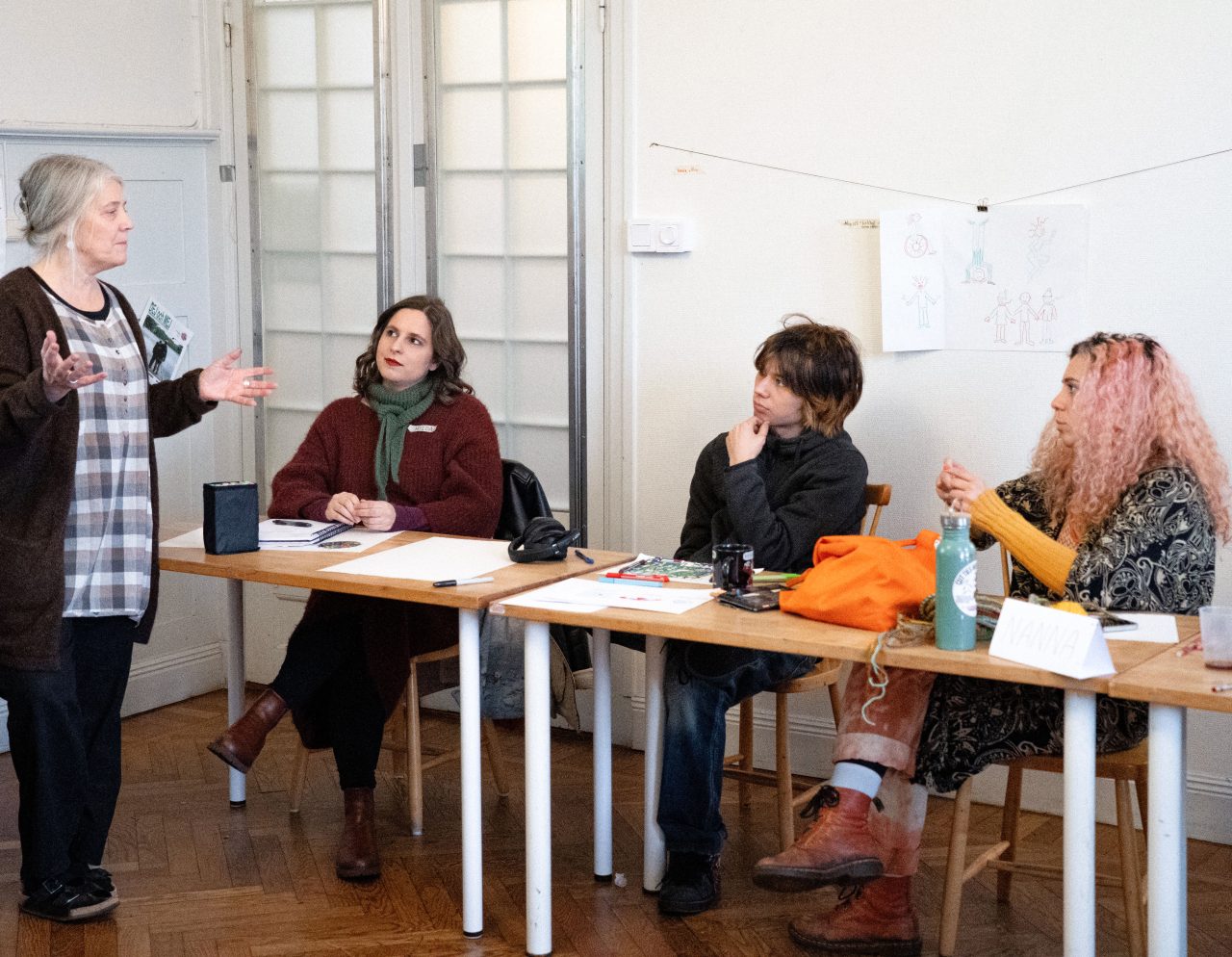

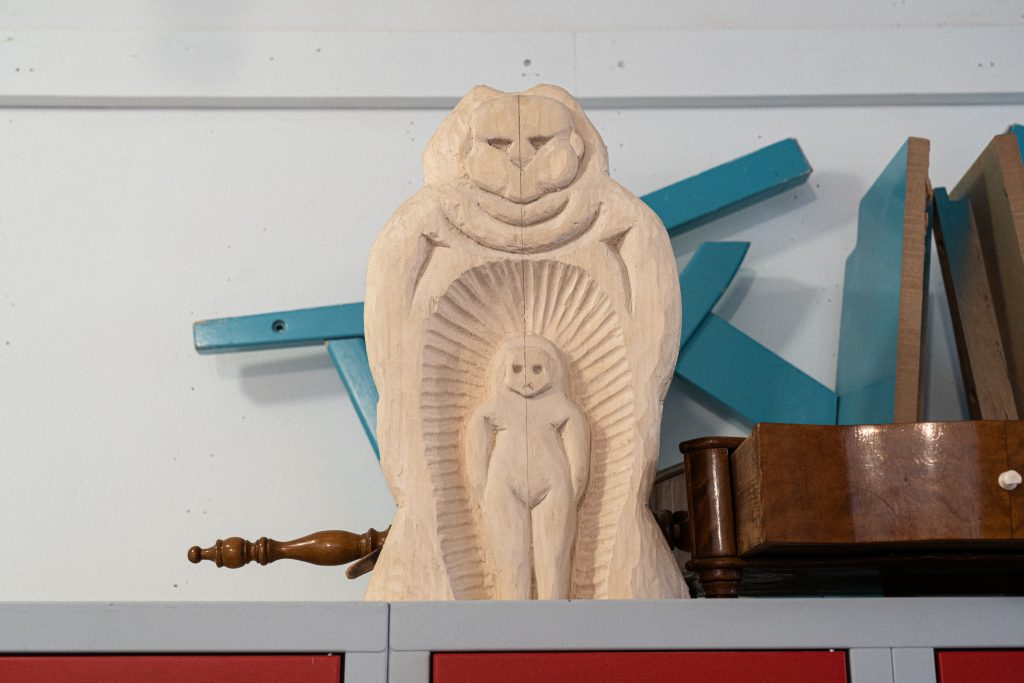

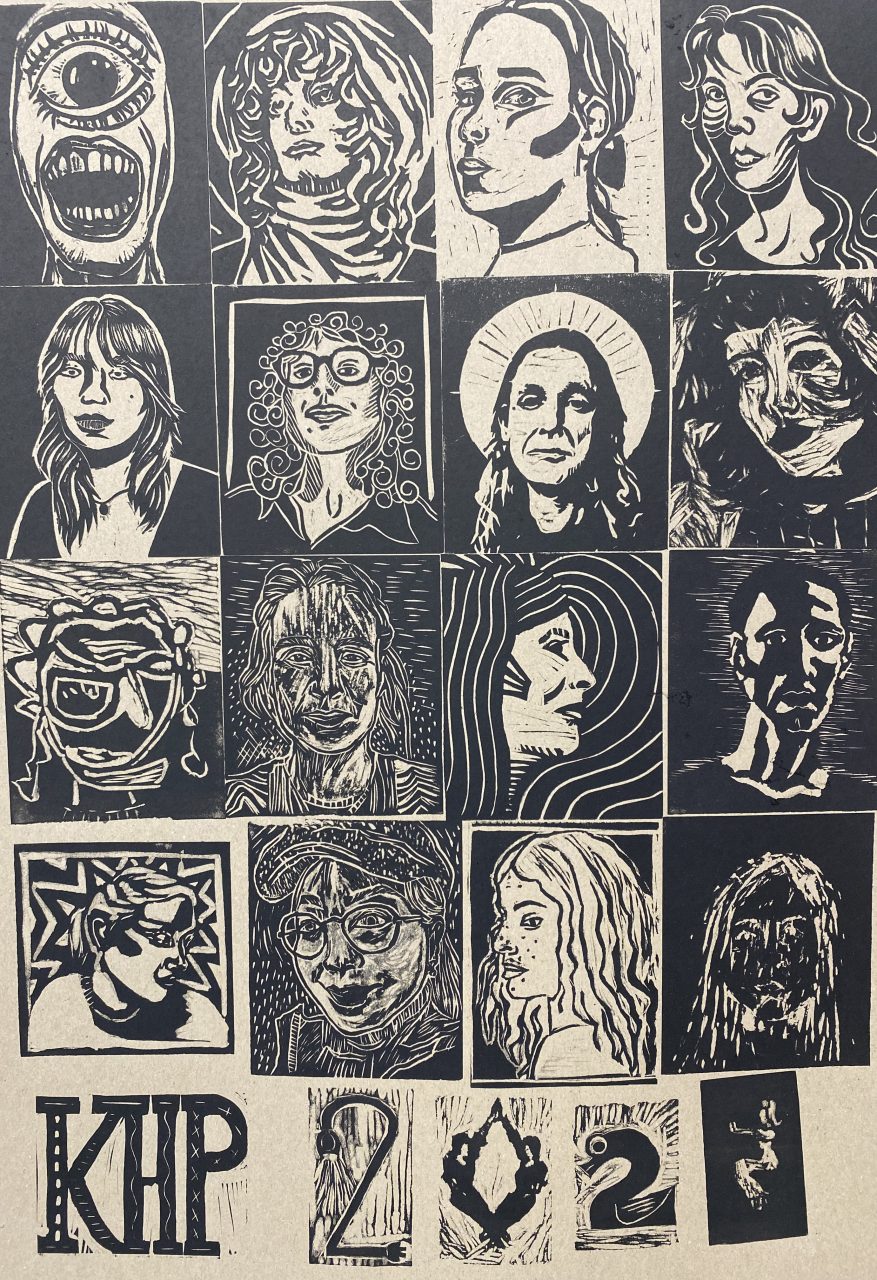
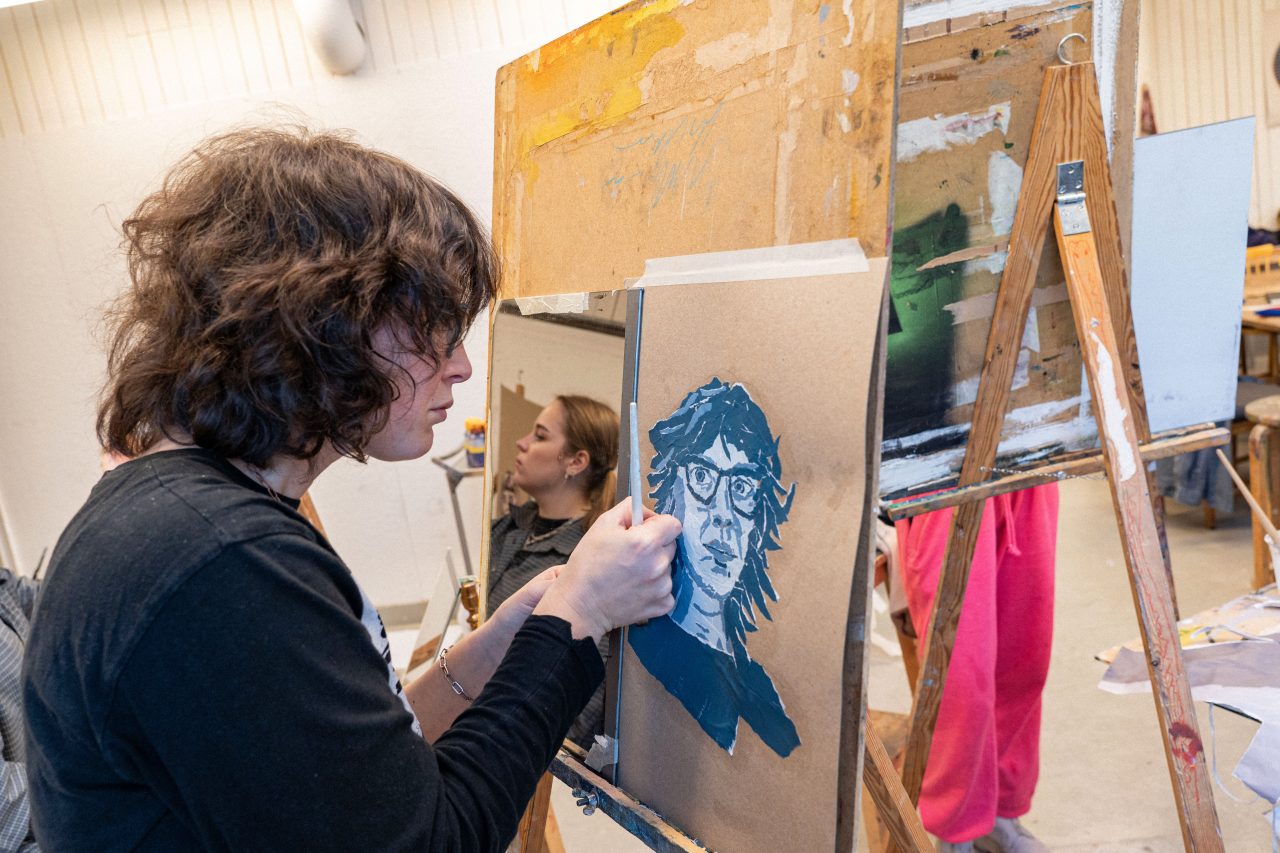
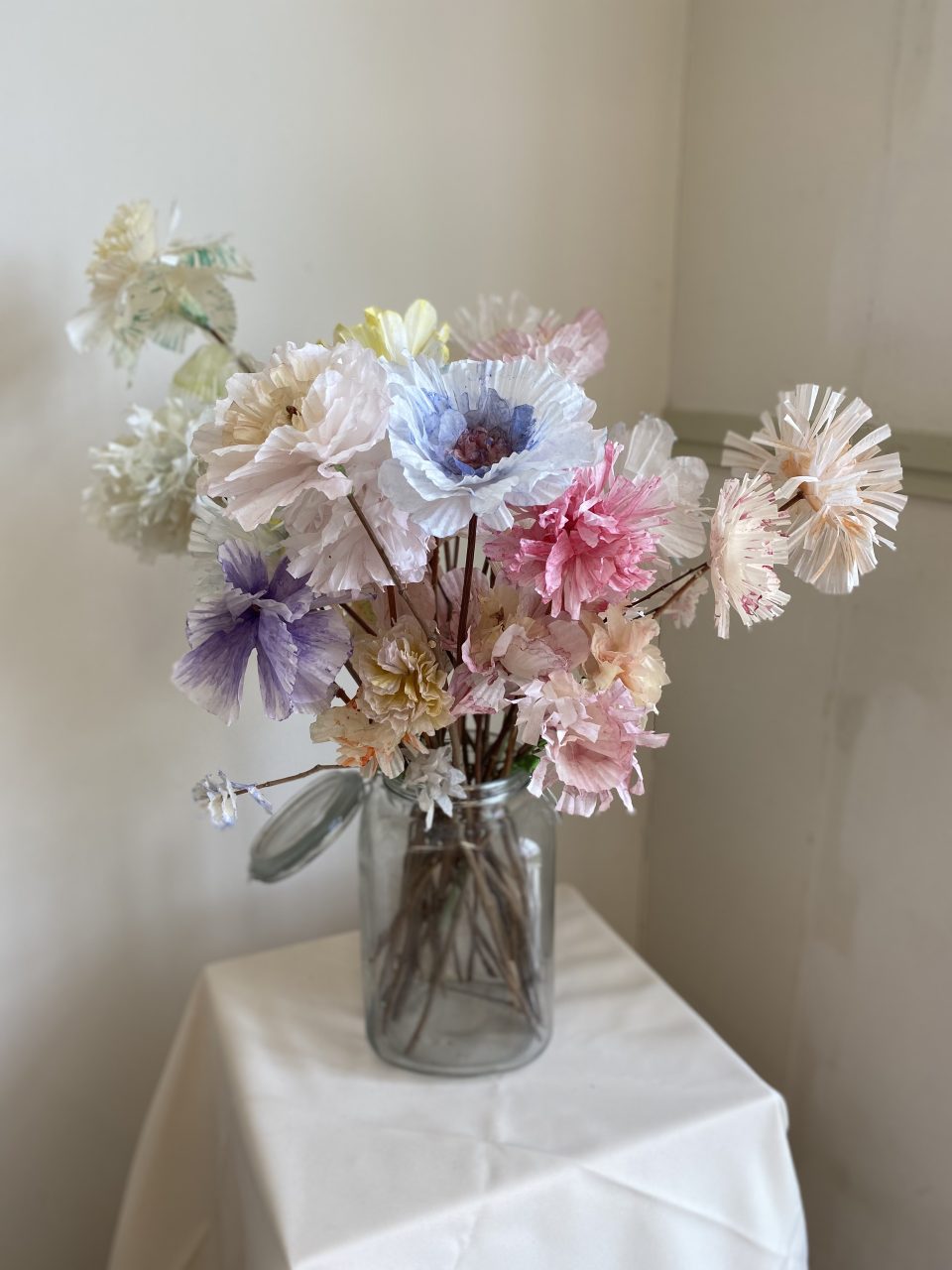
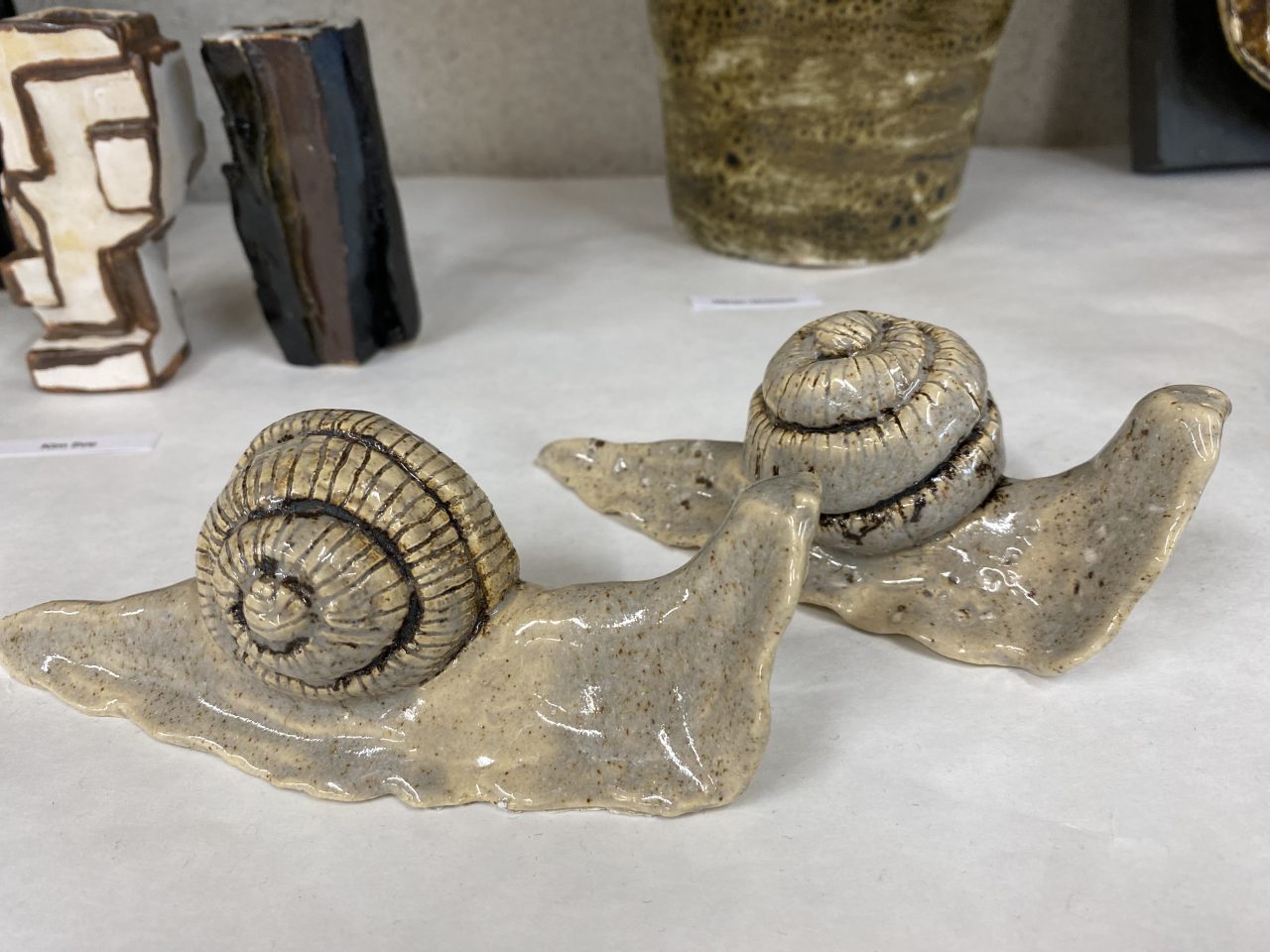
The education combines practical work in arts and crafts with pedagogical reflection and application. You work with materials and techniques in wood, textiles, ceramics, sculpture, drawing and painting, and at the same time delve into how creative processes can be used in pedagogical contexts. Conversation, communication, ideas, process and learning in groups are central parts of the studies.
The practical courses are interspersed with theoretical blocks in pedagogy and methodology, as well as workshops, study visits and project work. A longer internship period is included, where you have the opportunity to try out the professional role and connect your practical experiences with theoretical perspectives.
The teachers in the program are professional craftsmen, artists, designers and educators. Guest teachers with special specialist knowledge contribute with in-depth knowledge and insight into different fields of activity. The education places demands on both independent work and the ability to collaborate and reflect in groups.
The structure of the program
During the first year, you will receive a broad foundation in the school’s various workshops and in artistic and craft processes. You will be introduced to techniques, materials and equipment, while also delving into the methods of art and craft education, target groups and the role of art and craft in society. Study visits and guest teachers provide insight into the profession’s various fields of work.
The second year is characterized by in-depth study of both craft, artistic processes and the professional role. The focus is directed early on towards the project and internship period through work on leadership, project planning, documentation and reflection. You will carry out an individual project where art, craft and pedagogy meet, as well as a professional internship where you will try out methods, materials and exercises in a real business. In connection with this, a report is written in which the project and its implementation are analyzed.

About the profession
A central idea in the art and craft education profession is that people’s work with art and craft contributes to creativity, personal development, health and social community. Through creation, communication, participation and meaningful connections are provided, both individually and in groups. The profession also includes a responsibility for cultural heritage and for the role of art in society.
Art and craft education professionals work in many different areas, for example in cultural schools, museums and art galleries, schools, daily activities, elderly care, rehabilitation, integration activities, psychiatry, leisure activities and non-profit organizations. The education can be the start of a new career or a deepening of skills for those who already work in education, care, culture or social activities.
The most important thing is that you are curious about people’s creation and want to use art and craft as a tool for learning, communication and development.
Subjects and materials
- Art and craft pedagogy – pedagogy, art and craft pedagogical work, social pedagogy, special pedagogy 15 weeks
- Woodwork and material studies 11 weeks
- Drawing, painting and printmaking 10 weeks
- Textile techniques 9.2 weeks
- Project work 6.8 weeks
- Professional internship 6.4 weeks
- Sculpture 5.6 weeks
- Material immersion 5.6 weeks
- Ceramics 4.8 weeks
- Digital tools 2.4 weeks
- Group dynamics 1.6 weeks
- Lectures in art and design 1.6 weeks
During the program, you often go on field trips to museums, galleries and workshops.
faq
- How's the job market and future prospects for someone who works with art and craft pedagogy?
-
It is not well-known as a profession, even though it’s potential and usefulness is quite big. Therefore, it takes quite a lot of your own initiative to find your dream job. On the other hand, as a someone who works with Art and Craft Pedagogy, you can work in so many different workplaces, for example in daily activities, care for the elderly, care, psychiatry, correctional facilities, leisure centers and museums. Much of social research and medical research points to the benefit in creative activities and also pure physical well-being, and therefore we believe that the future prospects are good. But we also believe that a strong engine is needed in all of us who work with art, culture and people.
- What eligibility do I need to have in order to apply for your programs?
-
We have no formal eligibility requirements for grades. Our supervisory authority Swedish National Agency for Higher Vocational Education leaves this matter of eligibility requirements very open. We have formulated ourselves fairly openly based on the interpretation of the authority’s directive: In order to apply for course entrance at Nyckelviksskolan, the applicant must have upper secondary school qualifications (high school education), equivalent education or have gained a certain amount of work experience.
- Are your courses eligible for student aid?
-
Study funds are granted for the one-year programs at what CSN calls post-upper secondary level. Our educations are categorized as Arts and Culture courses by CSN. The quota for study funds for studies at so-called post-upper secondary level is a total of two years (80 weeks) if you have a three-year upper secondary education or the equivalent previously.
The total number of weeks you have to apply for student funding applies to both grants and student loans. This means that even if you do not take out a loan for all the weeks, but only take the grant, the weeks are counted as used.
For studies at university level, the maximum period for study support is 240 weeks. This quota applies to those who apply to the two-year Specialist Craft Tutor program. The Specialist Craft Tutor program is also categorized as Arts and Culture course though.
For the academic year 2026-27, if you who are a student and born in 2007 or later, you can choose for yourself whether you want to take study aid (right now it is a small grant – SEK 1,250/month) or whether you want to apply for study funds with grants and loans. If you take study aid, you can also apply for extra supplements and / or boarding supplements via CSN.
- Do you have accommodation at the school, boarding school?
-
The school does not have boarding, but we receive many offers on available rooms and apartments, especially on Lidingö, and are happy to pass them on to interested students. We send out housing ads and give tips on how our students can most easily find somewhere to live.
Nyckelviksskolan’s student union is connected to Stockholm’s students’ central organization (SSCO) and you can get help arranging accommodation through SSCO. All students are connected to Nyckelviksskolan’s student union. This gives them the right to live in student apartments that Stockholm Student Housing (SSSB) has. Read more: www.sssb.se/en
Akademisk kvart is a housing portal that directly addresses students. Academic quarter strives to provide live-in and second-hand solutions that have a reasonable rent level in relation to students’ general finances. Read more: https://www.akademiskkvart.se/en/
Everyone who studies in art and culture education has the right to live in Kista Studentbostäder, which is mediated by Stockholms Bostadsförmedling (The Stockholm Housing Agency). However, some other student housing managers do not approve our type of education to live there.
- Do you have to pay tuition fees or semester fees for your programs?
-
Many Arts and Culture courses are only partially financed by state grants. The student must pay tuition fees (or semester fees).
The semester fee for the academic year 2026-27 is SEK 19,950, i.e. SEK 39,900 for the entire academic year. The sum includes, among other things, the material that you work with in the training. The fee is paid semesterly.
If you are applying for student financing, you may also apply for an additional cost loan for the tuition fee if necessary.
- How are your programs categorized?
-
We are between high school and university. Nyckelviksskolan provides one-year university preparation programs (40 weeks) in art, crafts, architecture and design as well as a two-year vocational Art and Craft Pedagogy program (80 weeks). Our programs are formally called Arts and Culture courses (Konst- och kulturutbildningar) and we are under the supervision of the Swedish National Agency for Higher Vocational Education.
Please note that the vocational Art and Craft Pedagogy program is not a higher vocational education (YH), but an Arts and Culture course (Konst- och kulturutbildning).